
High-Performance Heatsinks for High-Power Applications
Engineered heatsink solutions designed to handle increasing power density, complex structures, and mass production demands.Contact Now!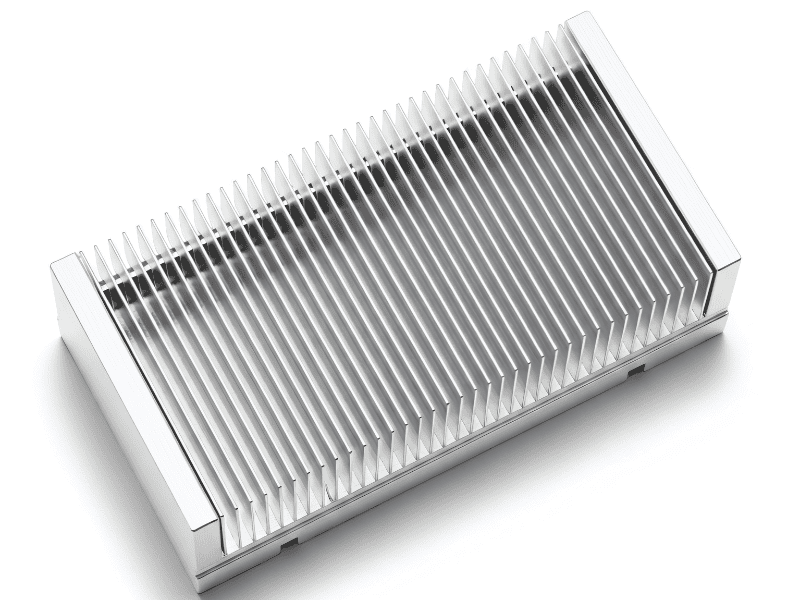
Different applications search for different heatsink solutions.
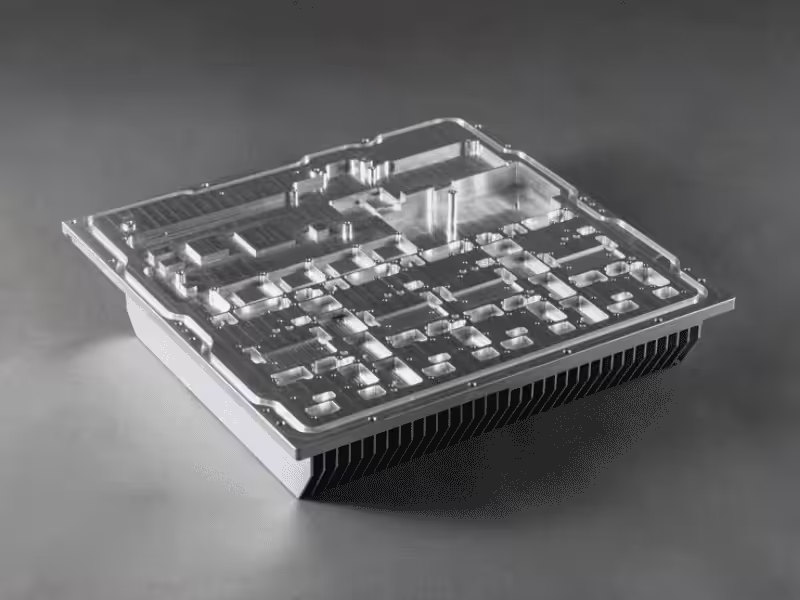
5G Base Station Heatsinks
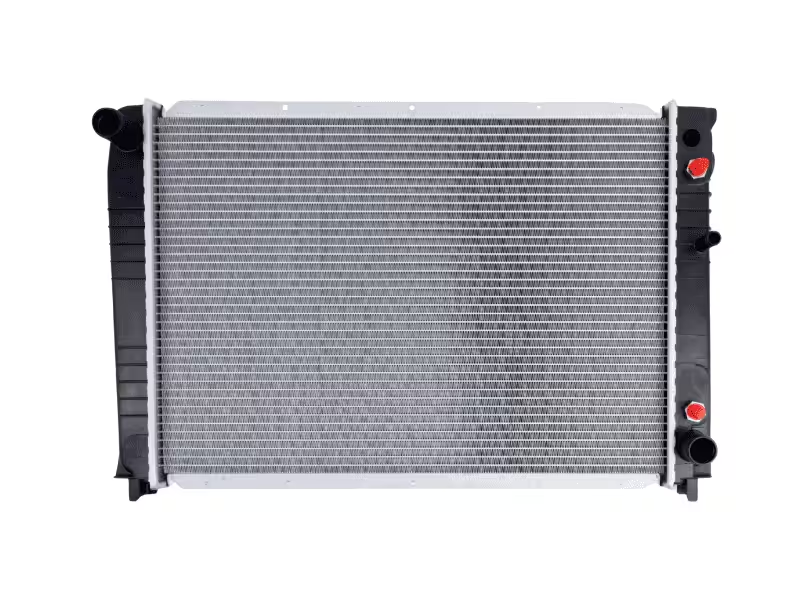
EV Charger Heatsinks
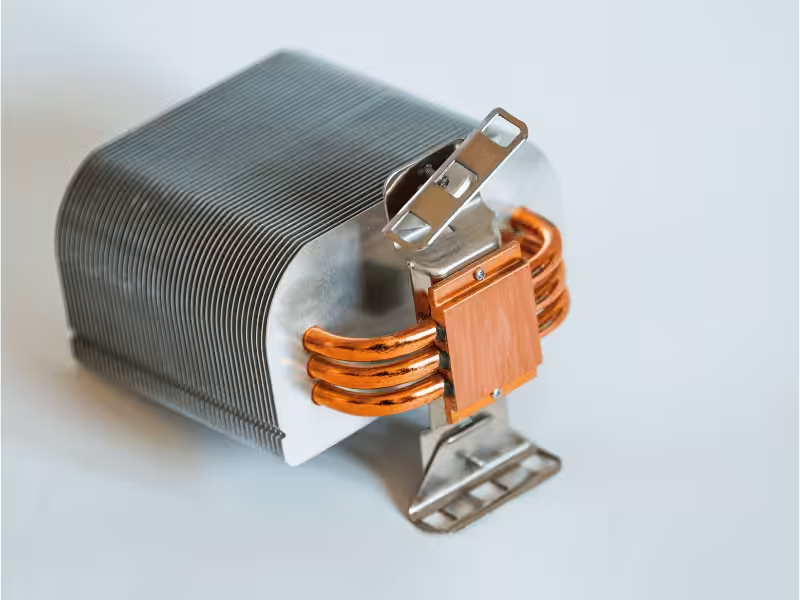
Heat Pipe Heatsinks
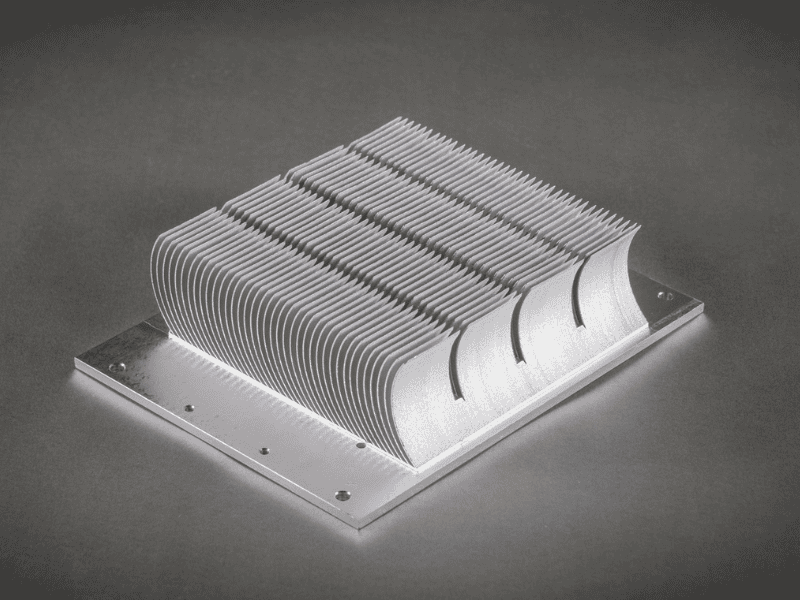
Skived Fin Heatsinks

Bonded-Fin Heatsinks
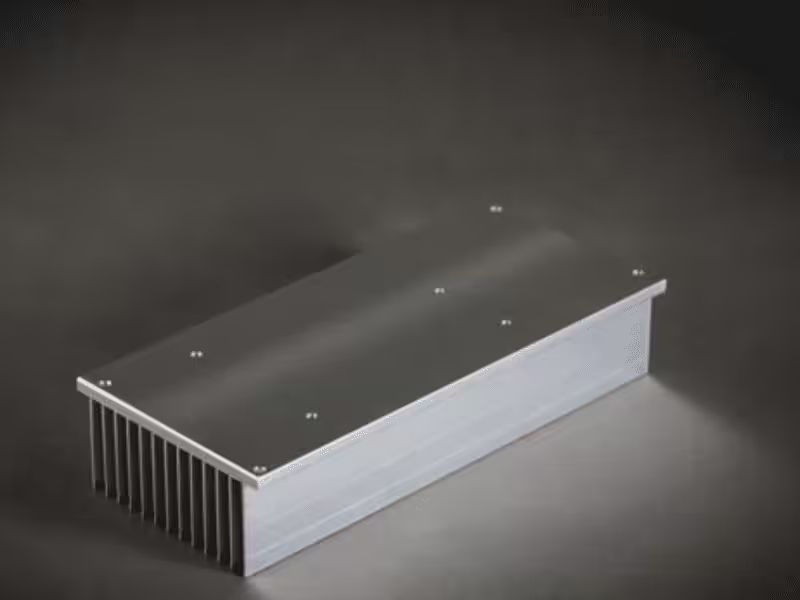
Custom Extruded Heatsinks
Why Jiujutech Heatsinks Perform Better
Custom Heatsinks Engineered for Different High-Power Applications
Multiple Heatsink Technologies in One Supplier
You can choose from extruded heatsinks, skived heatsinks, bonded-fin heatsinks, heat pipe heatsinks, and customized electronic heatsinks—matched to your application needs.
Optimized for High Power Density
You achieve efficient heat dissipation even under compact layouts and high thermal loads.
Design Flexibility for Complex Structures
You implement customized fin structures, base thicknesses, and interfaces to fit complex system designs.
Heatsink Solutions from Design to Mass Production
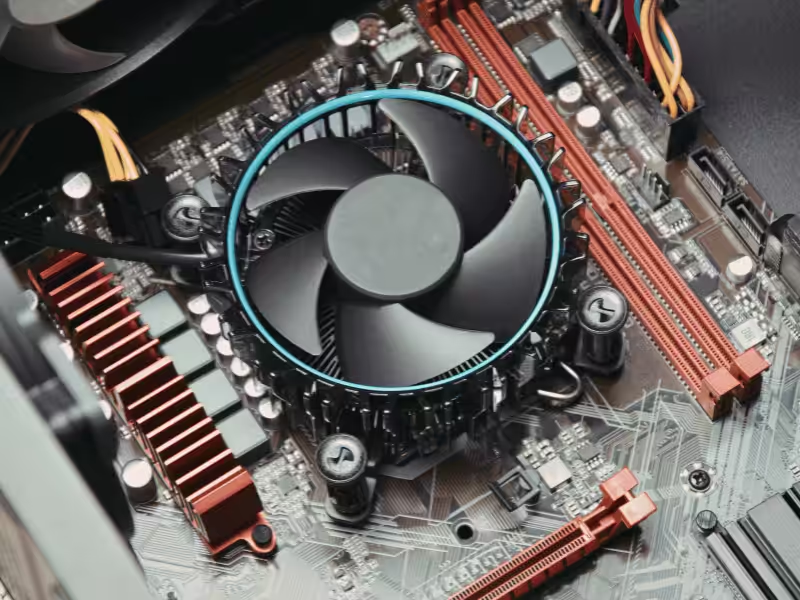
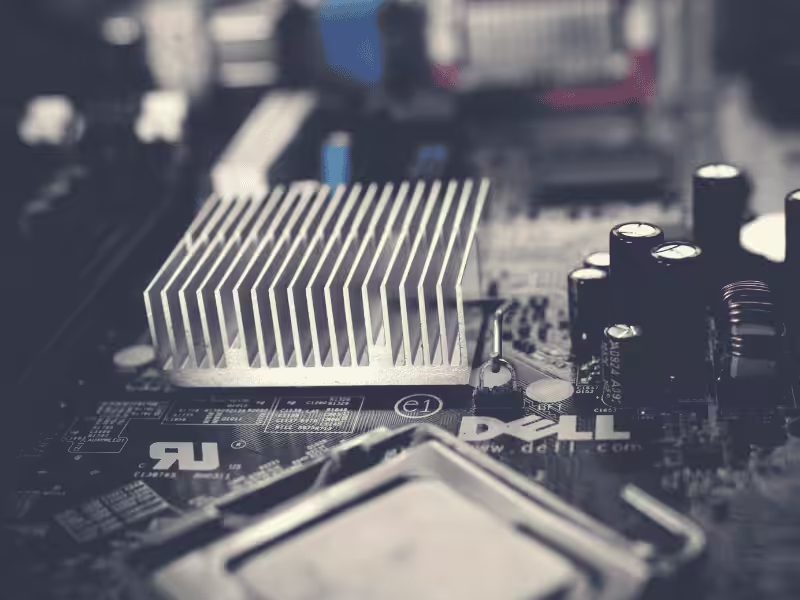
Explore a selection of custom heatsinks manufactured for 5G, EV charging, and industrial applications—showcasing structural diversity, precision machining, and scalable production capability.
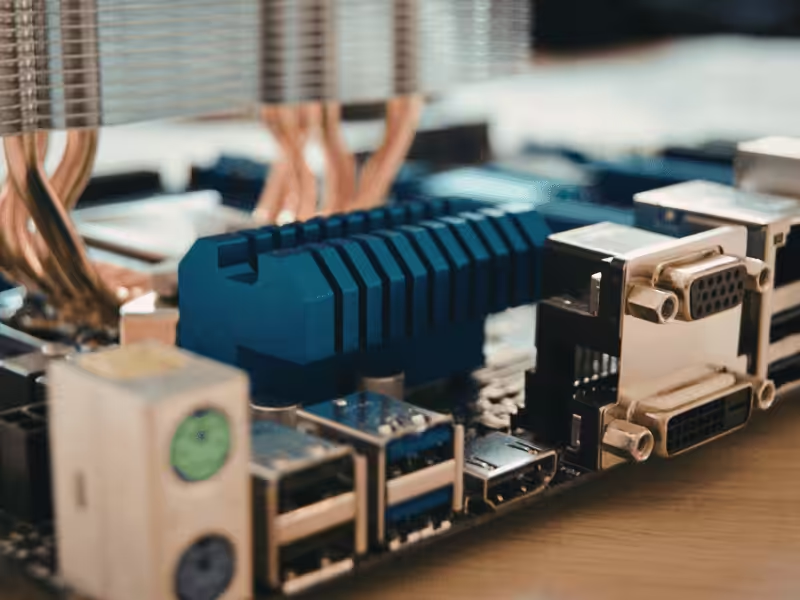
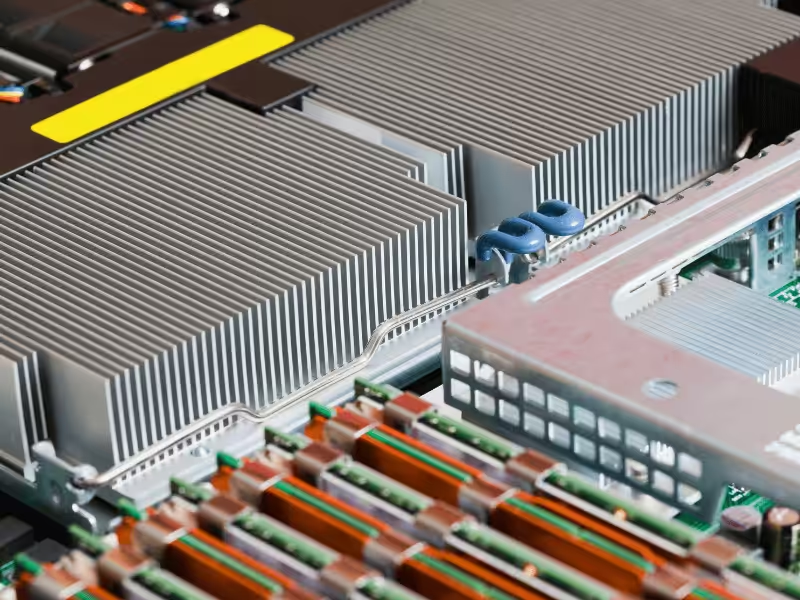
An Engineering-Driven Heatsink Manufacturing Partner
Jiujutech combines thermal expertise, flexible manufacturing, and certified quality systems to help you achieve reliable cooling performance from prototype to mass production.
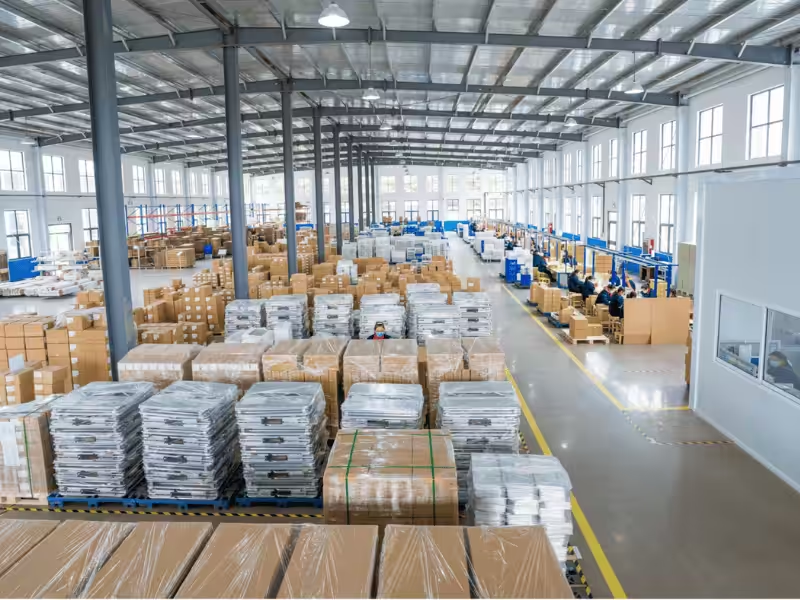
What Customers Say About Our Heatsinks
Proven thermal performance, stable quality, and trusted long-term supply.
“As power density increased, our original heatsink could no longer meet thermal requirements. Jiujutech optimized the structure and helped us achieve stable performance without increasing system cost.”

“We needed different heatsink technologies for multiple product platforms. Jiujutech provided flexible solutions and consistent quality from sampling to mass production.”

“Quality consistency and traceability were critical for our projects. Jiujutech’s IATF 16949 system and stable production gave us confidence for long-term cooperation.”

How to Work With Us
From Inquiry to Delivery in 3 Clear Steps
01
02
03
Frequently asked questions
You can source extruded, skived, bonded-fin, heat pipe heatsinks, and customized electronic heatsinks.
Yes. You receive heatsinks customized for power, size, airflow, and installation conditions.
Yes. Our production capacity supports large-scale and long-term OEM projects.
Heatsinks efficiently transfer heat away from chips and power devices through high-thermal-conductivity materials and optimized structural designs. By reducing operating temperatures, they help prevent thermal throttling, enhance system stability, and improve overall performance.
Key factors include thermal power requirements, heat flux density, available installation space, material thermal conductivity, cooling method (air or liquid cooling), and long-term system reliability. Proper selection ensures optimal thermal performance and durable operation.